Cordless Chainsaw Chains Be Maintained for Better Durability?
Proper maintenance is essential to extend the service life of a Cordless Chain Saw chain. Regular care not only improves cutting efficiency but also reduces the risk of damage during operation. A well-maintained chain ensures smoother cutting and helps protect the motor and other mechanical components.
1. Regular Cleaning
After each use, sawdust and debris should be removed from the chain and guide bar. Accumulated dirt can increase friction and accelerate wear. Cleaning also helps identify early signs of damage or looseness.
2. Proper Lubrication
Adequate lubrication is one of the most important factors in chain durability. Chain oil reduces friction between the chain and guide bar, preventing overheating and premature wear. Users should check the oil level before starting work and ensure the lubrication system is functioning correctly.
3. Correct Chain Tension
Maintaining proper tension prevents excessive strain on the chain and motor. A chain that is too tight may wear quickly, while a loose chain can slip or derail. The chain should move smoothly by hand while remaining securely on the guide bar.
4. Routine Sharpening
Sharp cutting teeth improve efficiency and reduce stress on the equipment. Dull chains require more force to cut, which increases wear. Regular sharpening helps maintain consistent cutting performance.
5. Safe Storage
When not in use, the tool should be stored in a dry environment. Moisture can cause corrosion, reducing chain lifespan. Applying a light coat of oil before storage can help protect metal surfaces.
Consistent maintenance practices can significantly increase the durability and reliability of the chain.
Brushless High-Speed Cordless Chain Saw: Perform When Cutting Hardwood?
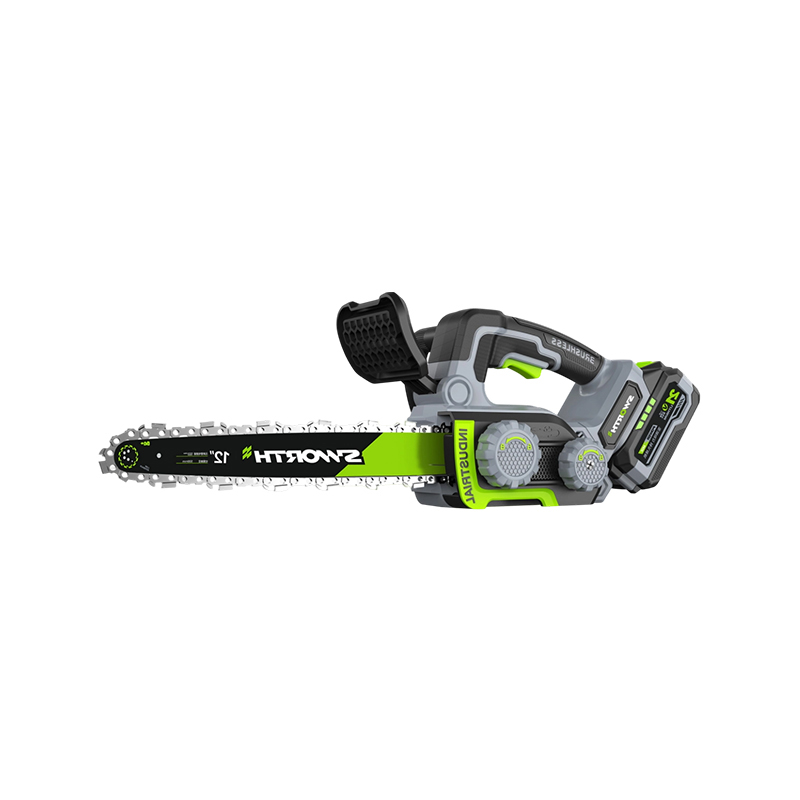
The Brushless High-Speed Cordless Chain Saw is designed for efficient cutting with advanced motor technology. Hardwood cutting requires strong torque and stable speed, making performance an important consideration.
- High Cutting Efficiency: Brushless motors provide stable power output even under heavy load. This allows the saw to maintain consistent speed when cutting dense hardwood such as oak or maple.
- Reduced Energy Loss: Brushless technology reduces internal friction compared with traditional motors. Improved efficiency means more power is transferred directly to the chain, improving cutting performance.
- Stable Operation: High-speed designs help create smoother cuts. Consistent rotation reduces vibration and allows more precise control during hardwood cutting.
- Extended Working Time: Efficient motors use battery energy more effectively. This can allow longer operating periods compared with less efficient designs, especially during demanding tasks.
- Lower Maintenance Requirements: Brushless motors have fewer wearing parts. Reduced mechanical wear helps maintain performance over long periods of use.
These characteristics make brushless high-speed models well-suited for cutting dense hardwood materials in both professional and residential applications.
What Is the Difference Between Flat Axis Cordless Chain Saw and Traditional Designs?
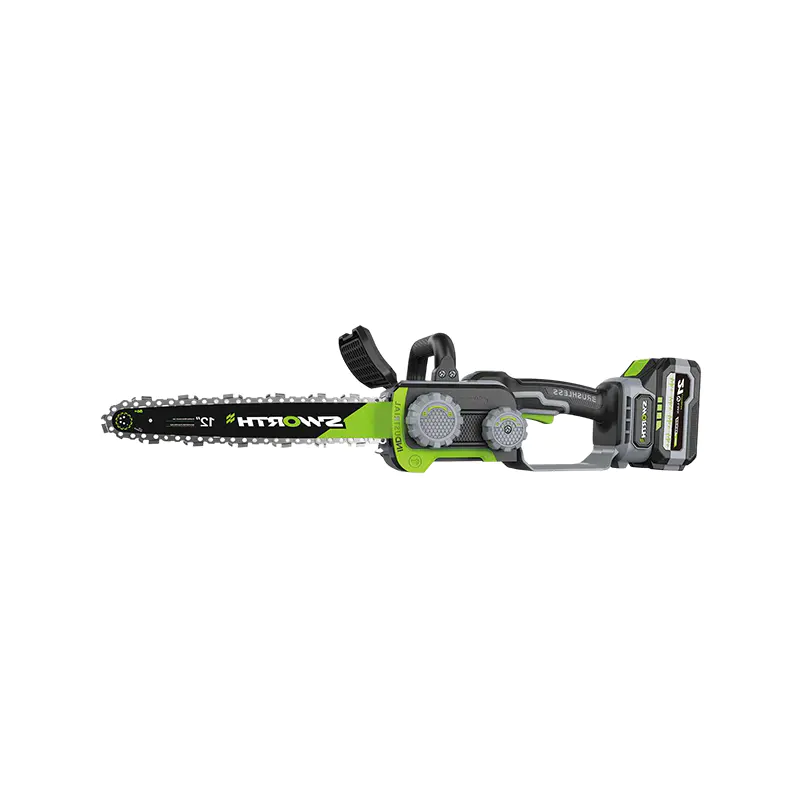
The Flat Axis Cordless Chain Saw features a structural design that differs from conventional chainsaw configurations. Understanding these differences helps users select the suitable equipment for their needs.
Flat-axis designs typically place the motor and drive components in a more compact arrangement. Traditional designs often use a bulkier layout that may increase overall size.
The compact structure allows easier handling in confined spaces. Users can operate the saw more comfortably when trimming branches or working in tight areas.
Flat-axis configurations often provide more balanced weight distribution. Balanced tools are easier to control and reduce operator fatigue during extended use.
Stable alignment between the motor and the chain drive system helps reduce vibration. Lower vibration improves cutting accuracy and user comfort.
Traditional designs are often preferred for heavy-duty forestry tasks. Flat-axis models are commonly chosen for light to medium applications where portability is important.
Understanding these structural and functional differences allows users to choose the design that matches their working conditions and performance requirements.
 English
 русский
 Español




 No. 101, Yugui Road, chengxi Industrial Zone, Yongkang City, Zhejiang Province, China
